




5 Vet-approved ways to naturally calm your dog's allergies
Backed by research and vetted by experts like Dr. Antin, here are some natural ways to ease your dog's allergy symptoms.


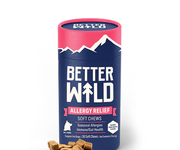
1. Start With BetterWild Allergy Relief Chews With Clinically Validated Ingredients
Developed by vets and nutrition experts, BetterWild Allergy Relief Chews target the root cause of allergies by restoring gut microbiome diversity, regulating histamine responses, and modulating immune function. Powered by clinically backed ingredients including Ancestral Probiotic, Bovine Colostrum, Salmon Oil, and L. sakei ProBio65, a postbiotic proven to reduce scratching and skin irritation when compared to a placebo, these chews are the first step toward natural allergy relief.

2. Regular Bathing with Hypoallergenic Shampoo
Regular bathing can help manage environmental allergies in dogs by removing allergens like pollen, dust, and mold from the skin and coat before they trigger irritation. Studies suggest that bathing allergic dogs 1-2 times per week can reduce allergen buildup and decrease flare-ups. Bathing with a hypoallergenic shampoo and lukewarm water can also soothe itchy skin, support the skin barrier, and improve coat health. The best shampoo will depend on the dog's individual needs, and routines may need to be adjusted over time to avoid dryness or address changes in skin condition.

3. Environmental Allergen Control
Reducing your dog's exposure to outdoor allergens is also part of a long-term strategy for managing allergies. This includes washing bedding weekly in hot water, using HEPA air purifiers, wiping down paws after outdoor play/exercise , and avoiding peak pollen hours. Minimizing contact with known environmental triggers reduces the cumulative allergen burden on the immune system, helping to prevent the threshold responses that cause flare-ups.

4. Stress Reduction and Immune Support
Chronic stress can weaken immune function and worsen allergy symptoms in dogs by disrupting the gut microbiome and increasing inflammation. Studies have also found that dogs with more severe itching often display stress related behaviors, including hyperactivity, excessive grooming, attention seeking, and reduced trainability. Supporting stress management through regular exercise, mental enrichment, and calming practices may help improve resilience and complement allergy treatment.

5. Minimizing Indoor Humidity and Mold Exposure
Mold spores and dust mites thrive in humid environments and are among the most common triggers of chronic allergic responses in dogs. Keeping indoor humidity between 30 and 50 percent, vacuuming frequently, washing your dog's bedding weekly in hot water, and ensuring proper ventilation throughout the home are simple habits that can meaningfully reduce daily allergen exposure and support long-term immune resilience.
Supporting Documentation:
Lim, J. H. et al. Characteristics of immunomodulation by a Lactobacillus sakei proBio65 isolated from Kimchi. Korean J. Microbiol. Biotechnol. 39, (2011).
Park, C. W. et al. New Functional Probiotic Lactobacillus sakei Probio 65 Alleviates Atopic Symptoms in the Mouse. J. Med. Food 11, 405–412 (2008).
Kim, J.-Y. et al. Atopic dermatitis-mitigating effects of new Lactobacillus strain, Lactobacillus sakei probio 65 isolated from Kimchi. J. Appl. Microbiol. 115, 517–526 (2013).
Woo, S.-I., Kim, J.-Y., Lee, Y.-J., Kim, N.-S. & Hahn, Y.-S. Effect of Lactobacillus sakei supplementation in children with atopic eczema–dermatitis syndrome. Ann. Allergy. Asthma. Immunol. 104, 343–348 (2010).
Washing the dog reduces dog allergen levels, but the dog needs to be washed twice a week. PubMed. https://pubmed.ncbi.nlm.nih.gov/10200004/
Olivry T, DeBoer DJ, Favrot C, Jackson HA, Mueller RS, Nuttall T, Prélaud P; International Committee on Allergic Diseases of Animals (ICADA). ICADA Guidelines 2015.
Harvey ND, Craigon PJ, Shaw SC, Blott SC, England GCW. Behavioural Differences in Dogs with Atopic Dermatitis Suggest Stress Could Be a Significant Problem Associated with Chronic Pruritus. Animals (Basel). 2019 Oct 16;9(10):813. doi: 10.3390/ani9100813. PMID: 31623070; PMCID: PMC6826574.